

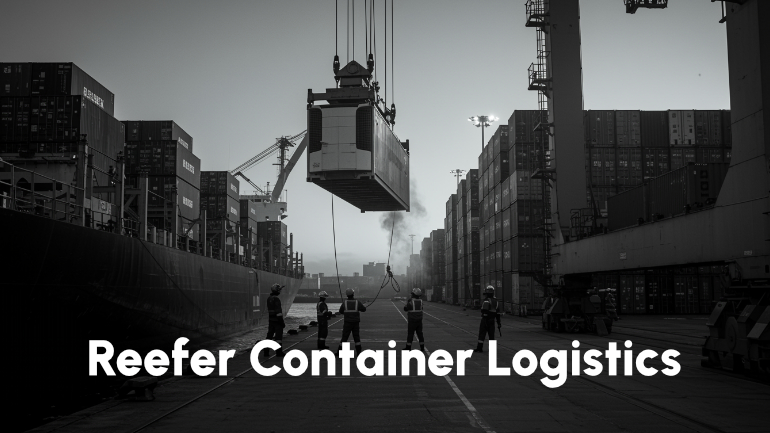
From deep-frozen provisions to high-value pharmaceuticals, modern maritime operations rely heavily on reefer container logistics to maintain the cold chain from shore to ship. With global regulatory scrutiny and increasing demands for traceability, the movement of temperature-sensitive cargo has evolved into a technical discipline requiring precision, monitoring, and coordination at every stage.
Whether you're outfitting a newbuild, replenishing a platform supply vessel, or delivering perishables to a containerized reefer deck, understanding how reefer logistics work is essential for safeguarding cargo integrity and operational compliance.
What Is Reefer Container Logistics?
Definition and Scope
Reefer container logistics refers to the management of temperature-controlled containers — commonly known as reefers — used to transport perishable goods across land and sea. These self-contained units are equipped with refrigeration systems and integrated power connections that allow for temperature regulation between -30°C and +30°C.
They are used for transporting:
- Frozen and chilled food products
- Medical and pharmaceutical cargo
- Hazardous materials requiring thermal stability
- Specialty coatings and chemicals
Why It Matters
Reefer logistics are vital for:
- Preserving cargo quality during long-haul or transshipment operations
- Meeting safety and hygiene standards such as HACCP and ISO 22000
- Preventing financial loss due to spoilage or rejection
- Complying with port health and customs inspections
Components of Reefer Container Logistics
H3: Core Equipment and Systems
- Reefer containers (20ft or 40ft ISO units) with digital temp control
- Gensets (clip-on or underslung) to maintain power during truck haulage
- Monitoring systems (manual checks, remote telemetry, GPS + temperature sync)
- PTI (Pre-Trip Inspection) to confirm functionality before loading
H3: Operational Workflow
- Cargo preparation at certified cold storage
- Container pre-cooling to match product temperature
- PTI check and documentation logged before dispatch
- Sealing and loading with correct airflow spacing
- Transport with genset running and temp logs active
- Onboard plug-in and monitoring by ship's electrical team
- Delivery with inspection report and signed log handover
Benefits of Reefer Logistics in Ship Supply
- ✅ Extends shelf life for vessel-bound provisions
- ✅ Ensures compliance with ISM and port regulations
- ✅ Enables complex provisioning across multiple ports
- ✅ Reduces insurance risk and spoilage claims
- ✅ Supports specialty cargo for offshore and naval operations
Challenges in Reefer Container Handling
- 🔸 Genset malfunction or power loss during land-sea transfer
- 🔸 Incomplete PTI or manual monitoring gaps
- 🔸 Incorrect cargo loading affecting airflow or condensation
- 🔸 Port congestion delaying reefer plug-in availability
- 🔸 Limited reefer slots on feeder vessels or MPP tonnage
Reefer vs. Cold Chain Logistics: A Quick Comparison
| Feature | Reefer Container Logistics | Cold Chain Logistics |
|---|---|---|
| Transport Unit | Insulated container with active refrigeration | Mixed infrastructure (trucks, rooms) |
| Temperature Control | Self-contained, programmable | Often dependent on external systems |
| Range of Application | Maritime, intermodal, long-haul | Warehousing, pharma, short-haul |
| Key Equipment | Reefer, genset, monitoring tools | Cold rooms, reefers, insulated vans |
| Port Interface | Requires plug-in, slot allocation | May not require vessel-side interface |
Best Practices for Ship Operators and Logistics Teams
- Request real-time reefer status reports from suppliers during transit
- Include reefer units in your vessel’s ISM and HACCP protocols
- Confirm port terminal plug availability before ETA
- Standardize your cargo checklists with reefer-specific fields (setpoint, PTI, airflow)
- Train shore and ship staff in alarm response and temp validation
Frequently Asked Questions About Reefer Container Logistics
What is a reefer container?
A reefer container is an insulated shipping container equipped with an active refrigeration unit that maintains internal temperatures ranging from -30°C to +30°C. It is used for transporting perishable goods across long distances, especially in maritime and intermodal supply chains.
How does a reefer container work?
Reefers operate using integrated refrigeration systems that plug into power sources:
- On trucks: powered by a genset (diesel generator)
- In port terminals: connected to reefer plug-in points
- Onboard ships: plugged into the vessel’s electrical grid
Temperature and humidity are controlled automatically and monitored via onboard or remote systems.
What cargo types are suitable for reefer logistics?
Typical examples include:
- Frozen meat and seafood
- Dairy and fresh produce
- Pharmaceuticals and vaccines
- Temperature-sensitive chemicals and coatings
What is a PTI in reefer logistics?
PTI stands for Pre-Trip Inspection. It is a mandatory technical check to ensure the reefer unit is fully operational before loading. It includes:
- Temperature calibration
- Alarm system check
- Gasket and insulation integrity
- Electrical safety check
How is reefer logistics different from general cold chain transport?
Reefer logistics uses self-contained containers with active refrigeration, ideal for maritime and intermodal freight. Cold chain transport may include multiple segments (cold rooms, insulated vans, reefers), especially for pharma and inland distribution.
What risks are associated with reefer operations?
- Power loss during transfers
- Genset failure or fuel depletion
- Improper loading affecting airflow
- Temperature setpoint errors
- Delay in plug-in at congested ports
How can operators ensure reefer cargo integrity?
- Use digital data loggers and real-time monitoring
- Perform and log PTIs before dispatch
- Train handlers in airflow management and setpoint validation
- Coordinate port plug-in availability before vessel arrival
- Include reefer handling SOPs in the ship’s ISM documentation
Are reefers used only for food?
No. Reefers are also used for:
- Vaccines and medical products (GDP-compliant shipping)
- Laboratory samples
- Explosives or adhesives requiring stable thermal conditions
- Specialty paints, oils, or fuels with temperature limitations